- Home
- >
- Blog
OUR BLOG
A collection of stories about our people, our capabilities, our research, and the ever-changing face of our firm.

NationalTender
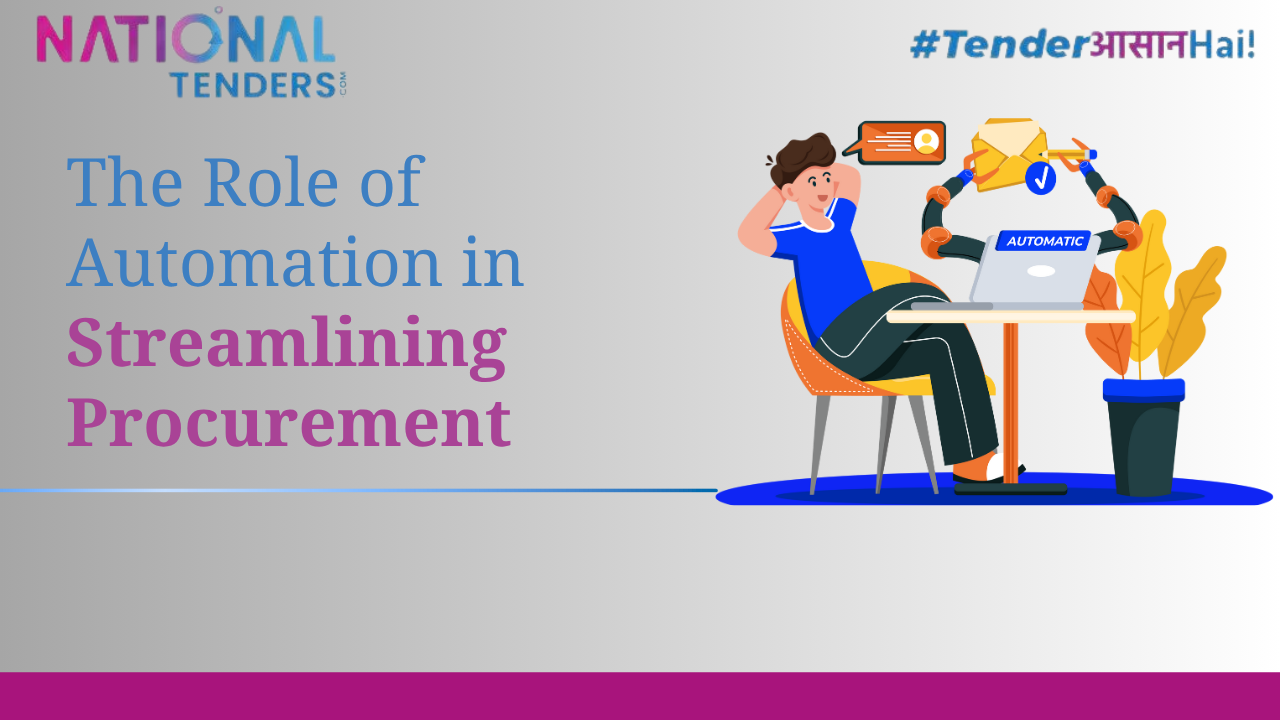
The Role of Automation in Streamlining Procurement Processes | 30 May, 2025
The Role of Automation in Streamlining Procurement Processes
In 2025, procurement is no longer a paperwork-heavy, manual grind. Automation has transformed the landscape, making procurement faster, smarter, and more resilient than ever before. Whether you’re managing purchase orders for a wind power plant, onboarding suppliers for telecommunication equipment, or tracking spend on medical equipment, automation is the secret weapon driving efficiency and savings.
What Is Procurement Automation?
Procurement automation uses technology and software to digitize and streamline every step of the procurement process—from creating purchase requisitions to managing suppliers and ensuring compliance. This means fewer manual tasks, fewer errors, and more time for your team to focus on strategy and supplier relationships.
Key Procurement Processes That Can Be Automated
| Process | How Automation Helps |
|---|---|
| Purchase Requisitions | Standardized digital forms, automatic routing for approvals |
| Purchase Orders | Instant creation and dispatch after requisition approval |
| Supplier Management | Centralized database, automated onboarding, and compliance checks |
| Receipt of Goods/Services | Digital acknowledgment, automated quality checks |
| Three-Way Matching | Automatic matching of requests, orders, and receipts with instant discrepancy alerts |
| Vendor Performance Tracking | Continuous monitoring and automated risk assessment |
| Stakeholder Communication | Real-time notifications and integrated collaboration tools |
| Documentation & Compliance | Automatic audit trails, regulatory compliance, and record keeping |
| Data-Driven Decision Making | Real-time analytics for spend, supplier performance, and forecasting |
Real-World Benefits of Procurement Automation
-
Efficiency and Cost Savings
- Time Savings: Organizations can reduce procurement cycle times by up to 50%.
- Cost Reduction: Automated procurement can cut operational costs by 30–50% compared to manual processes.
- Error Reduction: Manual data entry errors drop significantly, improving accuracy and minimizing costly mistakes.
-
Improved Compliance and Risk Management
- Automated systems enforce procurement policies and regulatory requirements, reducing non-compliance penalties by up to 55%.
- Fraud prevention is enhanced, with organizations using automated data monitoring experiencing 52% less fraud loss.
-
Better Supplier Management
- Supplier onboarding time drops by up to 70% with digital procurement.
- Automated performance tracking and risk assessment help maintain high standards and adapt quickly to market changes.
-
Enhanced Visibility and Data-Driven Decisions
- Real-time analytics give procurement teams full visibility into spend, supplier performance, and contract compliance.
- Quick access to data enables smarter, faster decisions and uncovers cost-saving opportunities.
How Automation Works: A Step-by-Step Example
-
Purchase Requisition
An employee submits a digital request using a standardized form.
-
Approval Workflow
The system routes the request to the right manager for instant approval, with automated notifications.
-
Purchase Order Creation
Once approved, a purchase order is generated and sent to the supplier automatically.
-
Supplier Onboarding
New suppliers are onboarded with automated compliance checks and document verification.
-
Goods Receipt & Quality Check
Upon delivery, the system logs receipt and triggers automated quality inspections.
-
Three-Way Matching
The system matches the purchase order, invoice, and goods receipt, flagging any discrepancies for review.
-
Performance Tracking
Supplier performance is continuously monitored, with automated risk alerts and feedback loops.
-
Audit Trail
Every action is logged, creating a transparent, easily accessible audit trail for compliance.
The Numbers Behind Procurement Automation
| Benefit Area | Impact |
|---|---|
| Cycle Time Reduction | Up to 50% faster procurement cycles |
| Operational Cost Savings | 30–50% reduction in costs |
| Supplier Onboarding Time | 70% faster onboarding |
| Error Rates | Drops from 5% to near zero |
| Fraud Loss | 52% less fraud loss |
| Compliance Penalties | 55% reduction in penalties |
Trends Shaping Procurement Automation in 2025
- AI and Machine Learning: Automate routine tasks, enhance supplier collaboration, and deliver advanced analytics for better decisions.
- Mobile Accessibility: Teams can manage procurement from anywhere, boosting agility.
- Sustainability Focus: Automated systems help prioritize ethical and environmentally responsible suppliers.
- Scalability and Resilience: Modern eProcurement platforms are built to handle growth and adapt to market disruptions.
Real-World Example: Retail Success
A leading retail company automated purchase order creation, invoice processing, and supplier management. The result?
- Streamlined operations
- Reduced workload for procurement teams
- Improved data accuracy
- Real-time insights into spend and supplier performance
- Better deals and cost savings
Conclusion: The Future Is Automated
Procurement automation is not just a trend—it’s a necessity for organizations aiming to stay competitive, resilient, and cost-effective. From engineering services to defense systems, medical equipment to telecommunication software, automation empowers procurement teams to do more with less, make smarter decisions, and drive business growth.
 How E-Tendering is Transforming the Tender System in India
 Building Strong Vendor Partnerships in the Tender Ecosystem
 Unlocking Big Savings Through Smart Tender Strategies
 How Generative AI Is Disrupting Tendering in 2025
 Blockchain and Smart Contracts: The Next Frontier in Public Procurement
SUBSCRIBE NOW
Kindly fill up the form